

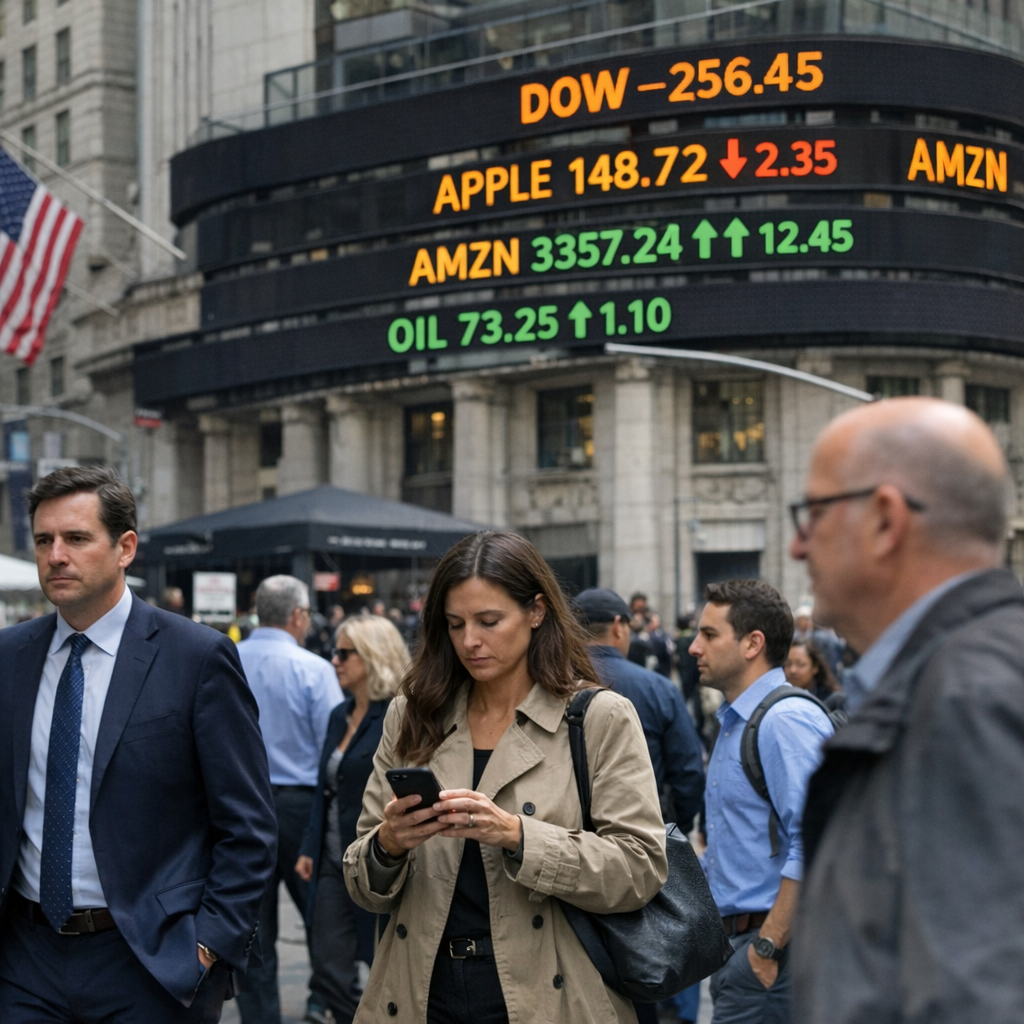
The United States economy, a pivotal force in global markets, continues to evolve amidst a landscape of challenges and opportunities. As of mid-2026, several key factors are shaping its trajectory.
Inflation and Consumer Confidence
Inflation remains a significant concern for many Americans. A recent survey indicated that 41% of respondents identified inflation as their top economic issue. This sentiment underscores the persistent impact of rising prices on household budgets and overall economic sentiment.
Employment and Economic Growth
Despite inflationary pressures, the U.S. job market has shown resilience. The unemployment rate stands at 4%, reflecting a stable labor market. However, the pace of economic growth has moderated, prompting discussions among policymakers about potential interventions to stimulate activity.
Federal Reserve Policies
The Federal Reserve’s monetary policies continue to play a crucial role in managing economic stability. Interest rate decisions are closely watched, as they influence borrowing costs for consumers and businesses alike. The timing and magnitude of rate adjustments remain subjects of debate among economists.
Global Trade Dynamics
International trade relations, particularly with major partners like China and the European Union, are influencing the U.S. economic landscape. Tariff policies and trade agreements are under scrutiny, as they have direct implications for various industries and the broader economy.
Looking Ahead
As the U.S. navigates these economic complexities, the interplay between domestic policies and global factors will be critical. Stakeholders, from policymakers to consumers, are keenly observing these developments to make informed decisions in an ever-changing economic environment.